IC Cards – Suica/Pasmo

Suica and Pasmo are rechargeable smart cards known as IC Cards widely used for public transportation in Japan, including trains, buses, and subways. They make traveling in urban areas like Tokyo and around regions such as Hakone quick and convenient, as users can simply tap the card on a reader instead of buying individual tickets. Both cards can also be used for small purchases at convenience stores, vending machines, and some restaurants, adding extra convenience for travelers.

These cards work on a prepaid system: you load money onto the card, and fares are automatically deducted as you travel. They are accepted across most major transportation networks in Japan, making them especially useful for visitors who plan to explore multiple cities or take day trips.

You can either download the card onto your Wallet App on your iPhone or can be purchased at train stations and easily recharged at ticket machines, ensuring that getting around is smooth and stress-free.
Hakone Free Pass

The Hakone Free Pass is a convenient and cost-effective way to explore the Hakone region. Offered by Odakyu Railways, the pass provides unlimited access to transportation within Hakone, including trains, buses, the Hakone Ropeway, sightseeing boats on Lake Ashi, and even some local cable cars. It also offers discounts at museums, hot springs, shops, and other attractions, making it ideal for travelers who want to see multiple sites in a single day. With options for two or three days, the Hakone Free Pass simplifies planning, reduces travel costs, and allows visitors to enjoy the area’s natural beauty and cultural highlights at their own pace.

Basic Itinerary For a Trip To Hakone

Hakone makes an ideal day trip from Tokyo, blending nature, culture, and history. Highlights include scenic landscapes, hot springs, art, and historic sites, all accessible with the convenient Hakone Freepass.

Key Experiences in Hakone:

  • Walk a section of the historic Tokaido Road
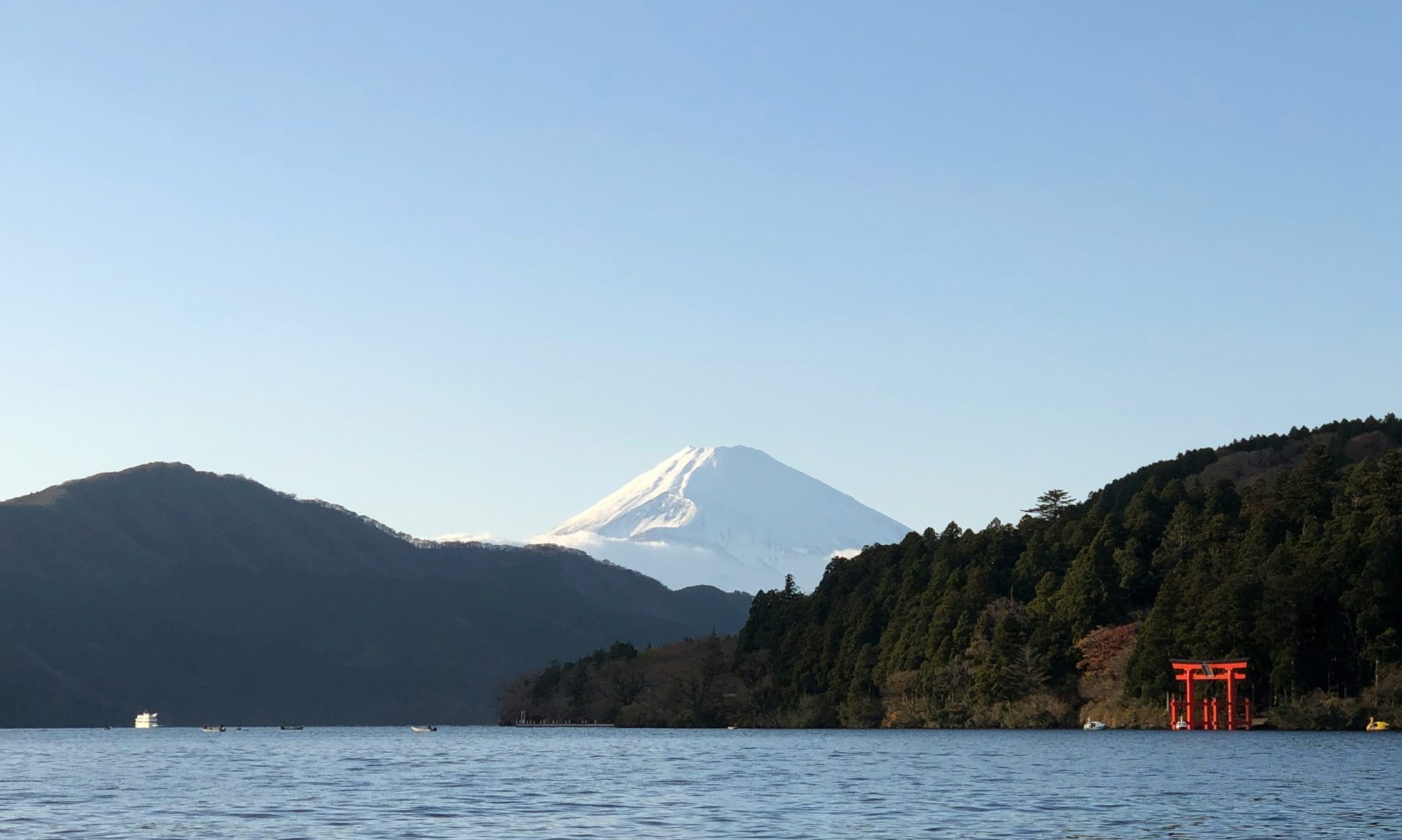
  • Visit Hakone Shrine by Lake Ashi
  • Take a sightseeing cruise on Lake Ashi with views of Mount Fuji
  • Explore Owakudani’s sulfur vents and hot springs
  • Enjoy the Hakone Open Air Museum with outdoor art installations
  • Stroll through Moto-Hakone for shops and local treats
  • Relax in traditional hot spring baths at local inns

Hakone’s combination of natural beauty, cultural sites, and easy transport makes it perfect for a one-day getaway from Tokyo.

Hot Spring Etiquette

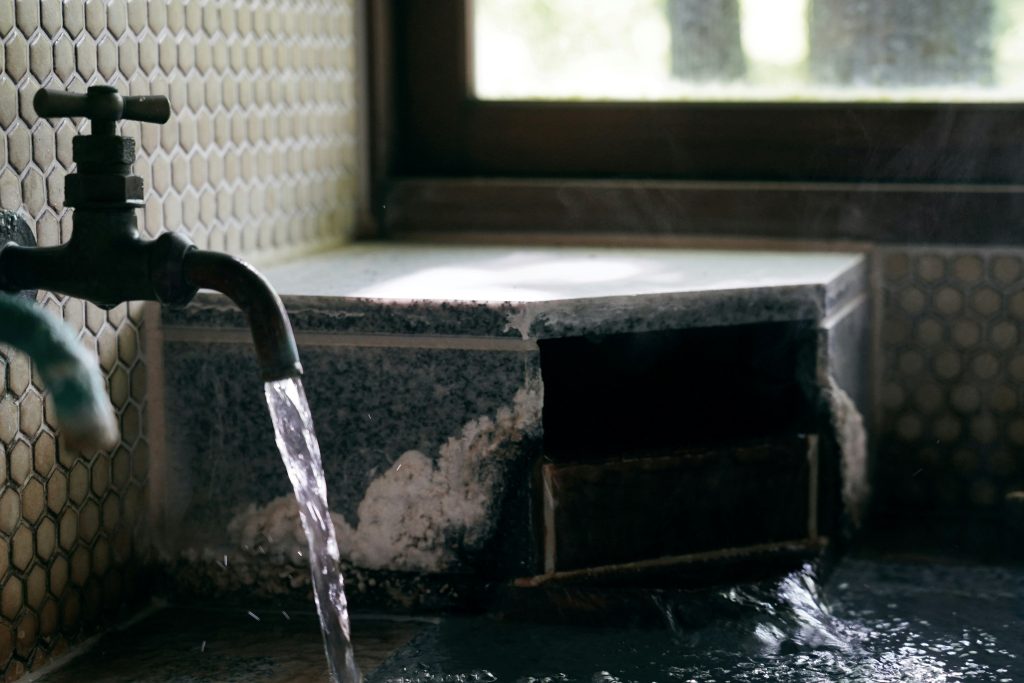
Hot spring faucet

Visiting a hot spring, called an onsen, is an important part of Japanese culture. There are specific rules guests are expected to follow to keep the experience clean and relaxing for everyone.

Before entering the hot spring, guests must wash their bodies thoroughly at the shower stations. This means using soap and shampoo and rinsing completely. The bath itself is for soaking only, not for cleaning.

Swimsuits are not allowed in traditional onsen. Guests bathe nude, and small towels may be used for modesty while walking but should never be placed in the water. Long hair should be tied up so it does not touch the bath.

Hot springs are meant to be quiet and peaceful. Loud talking, splashing, or swimming is discouraged. Visitors should enter the water slowly and relax.

Many onsens have rules about tattoos, as they are traditionally associated with gangs in Japan. Some locations may restrict entry or ask tattoos to be covered.

Following these guidelines shows respect for local customs and helps ensure a comfortable experience for everyone.